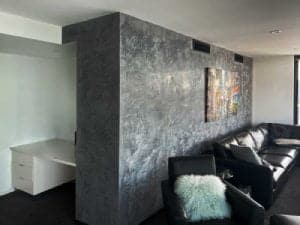
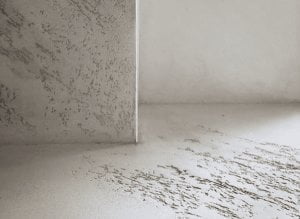
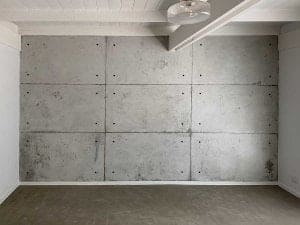
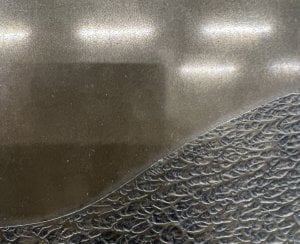
The right finish can make all the difference when adding visual interest to your walls or ceilings. Choosing the right textured plastering brings depth, character, and a unique touch that elevates the overall feel of a room. Whether you're after something bold and eye-catching or soft and understated, a textured surface can completely reshape the atmosphere of a space. It's not just about style either—textured plastering can cleverly conceal imperfections and add a layer of durability to your walls. But before you get started, it's worth taking a moment to consider a few essential details. With the proper planning and approach, a textured finish can be more than just decorative—it can become a lasting feature that adds value to your home or business.
Start by asking yourself what role the textured finish is meant to play. Is it there to cover flaws, add depth, or become a focal point in the room? Textured plastering is more than just decorative—it can shape a space's feeling. A bold texture might bring energy to a space, while a gentler finish can create calm. Defining your intention from the start makes every other decision more straightforward.
Once you're clear on its purpose, selecting the proper technique and placement is easier. For example, a subtle finish might suit a relaxing bedroom, while a statement wall in the lounge could handle something more eye-catching. The type of texture you choose should align with the mood and function of the space. This clarity saves time, avoids second-guessing, and produces a more cohesive result.
With so many options available, picking the right texture can feel overwhelming. Swirls, stipples, combed designs, or custom artistry bring different energy to a room. The best way to narrow it down is to consider your existing décor and natural lighting. Smooth, seamless textures are modern and fresh, while more defined patterns can add traditional charm.
Also, consider the room's size and how much texture it can handle. In smaller spaces, less is often more; heavy textures might make it feel closed in. On the other hand, larger rooms offer a bit more freedom for bold designs. Make sure the finish complements—not competes with—your furnishings and the space's overall personality.
Preparation is key to a high-quality finish that lasts. Even the most skilled application won't hide a poorly prepped wall. Surfaces should be clean, dry, and stable before textured plastering begins. That means fixing cracks, removing old paint, and dealing with damp patches first.
It's tempting to skip this step to save time, but that usually leads to trouble later—poor preparation results in uneven textures, peeling, or flaking. A bit of extra effort here ensures the final result looks professional and holds up over time. It's the difference between a rushed job and a properly finished one.
Some textured finishes may look stunning but demand more attention regarding upkeep. Textures with deeper grooves or raised patterns can trap dust, especially in high-traffic areas like hallways or family rooms. In spaces like kitchens, grease and moisture can cling to intricate textures, making cleaning tricky.
That's why it's smart to consider a more practical finish for busy parts of the home. Smoother, sealed textures can offer the visual appeal you want without becoming a maintenance burden. It's all about balancing style with everyday function. A beautiful wall shouldn't become a weekly chore.
While textured plastering adds charm, it also shapes how you approach future updates. Painting over a textured surface requires more effort and might not deliver a clean finish. If you later decide to switch to wallpaper or another style, removal can be messy and time-consuming.
Still, that doesn't mean textured finishes are limiting—it just means thinking ahead is wise. If you like to change your interiors often, opt for lighter textures that are easier to manage. For long-term designs, bolder textures can work beautifully. Planning with flexibility in mind can save you stress down the track.
Textured plastering needs time and care—it is not something to be rushed in a busy renovation schedule. It should be applied before final fixtures and finishes go in, giving it space to dry and settle properly. Skipping this step or squeezing it in at the last minute can lead to cracking or an uneven finish.
Give the texture time to breathe before painting or styling the space. That way, you'll avoid patching and repairs later on. Coordinating the timing with other trades also helps ensure the work isn't damaged—a well-timed job results in a smoother process and a better-looking result.
At Renaissance Decor, we take textured plastering seriously. We understand how a well-chosen finish can completely transform a room, not just visually but also how it feels daily. With experience across various properties, we tailor every finish to the space, style, and purpose.
If you're ready to explore the possibilities of a textured finish for your home or business, we're here to guide you through the process. From planning to application, Renaissance Decor is committed to delivering results that feel right now and in years to come. Let's create something that reflects your style and stands the test of time.